
Shenzhen Metro Line 7 Project
Harmonic Risk Control for a High-Reliability Urban Rail Power System
A rail-transit–specific solution delivered for Shenzhen Metro Line 7 and the NOCC project that addressed harmonic-driven reliability risks—helping protect critical electrical assets and support stable, safe metro operations.
Project Context:
Subway power supplies operate under exceptionally strict reliability expectations.
Shenzhen Metro Line 7 is a major east–west metro corridor. Trial passenger operation began on October 28, 2016, linking Tai’an and Xili Lake over 30.3 km and serving 28 stations.
In November 2015, our team secured the Shenzhen Metro Line 7 and NOCC project and won the active filter scope after a competitive bid process. This matters because metro power systems are among the most demanding low-voltage environments: they combine traction-related power electronics with dense station auxiliary loads, and they operate with extremely low tolerance for electrical instability. When power quality slips, the impact isn’t confined to “electrical metrics”—it can ripple into equipment stress, operational interruptions, and higher maintenance pressure in a system where uptime is non-negotiable.
What makes harmonics a serious operational risk in rail transit
In metro applications, harmonics primarily come from rectifier and inverter equipment in traction power supply systems, followed by a wide range of station and system loads such as DC power supplies, lighting, elevators, passenger information displays, HVAC, drainage systems, and related equipment.
In rail transit, harmonics are more than a technical nuisance. They can consume reactive power headroom, increase system losses and heating, and undermine the reliable behavior of protection and control—especially during real-world load changes. In a subway environment, that translates into tangible operator pain: higher fault risk, more troubleshooting, tighter reliability margins, and greater exposure when the system is under the most pressure.
Power-quality risks observed on Line 7
In this project, the harmonic profile was consistent with typical metro environments:
-
Dominant harmonic orders: primarily 5th, 7th, 11th, and 13th, with some 3rd harmonic components present.
-
Reactive capacity erosion: harmonics consume reactive power reserve, reducing the system’s ability to maintain stable operating margin.
-
Higher losses and heat: increased line losses elevate thermal stress across conductors and equipment.
-
Protection and control reliability exposure: distortion can compromise the dependable operation of relay protection and automatic control devices—raising the likelihood of nuisance behavior and operational instability.
-
EMI risk to critical subsystems: harmonic-related electromagnetic interference can affect communications and signaling, which are mission-critical in metro systems.
-
Vicious cycle with capacitor compensation: harmonics can damage reactive power compensation equipment, while capacitor banks may also amplify harmonics under certain conditions—creating a reinforcing loop if not properly controlled.
Our Solutions:
A Practical Harmonic-Control Approach for Metro Reliability
This project employed our BLUEWAVE Active Harmonic Filter (AHF) solution. In rail transit, where reliability expectations are exceptionally high, the role of an active filter is straightforward: reduce harmonic stress at the source so the rest of the system—protection, control, and compensation—can do its job reliably.
-
Cuts harmonic impact where it creates the most risk: The AHF actively mitigates dominant harmonics commonly found in traction and auxiliary power environments, helping reduce distortion-related stress on the power system.
-
Helps protect protection and control stability: By reducing distortion and associated interference risk, the solution supports more dependable operation of relay protection and automatic control behavior.
-
Reduces EMI exposure to communications and signaling: Lower harmonic distortion reduces one of the drivers of electromagnetic interference in complex metro environments.
-
Breaks the “capacitor–harmonic” loop: Harmonic filtering reduces harmonic losses and helps existing capacitor compensation equipment operate normally, lowering the chance that compensation devices unintentionally worsen harmonic conditions.
-
Improves overall system efficiency: With fewer harmonic losses and less reactive reserve being consumed by distortion, overall system losses can be reduced over time.
Results and Benefits
With our active harmonic filtering in place, the Shenzhen Metro Line 7 scope gained a more stable electrical operating baseline in a reliability-critical environment. By reducing harmonic impact and the secondary issues it can trigger, the solution helped protect key power assets, reduce avoidable disruptions and troubleshooting, and support safer, steadier metro operations—especially important where service continuity and passenger safety expectations leave little room for electrical instability.
Trusted by Metro Operators
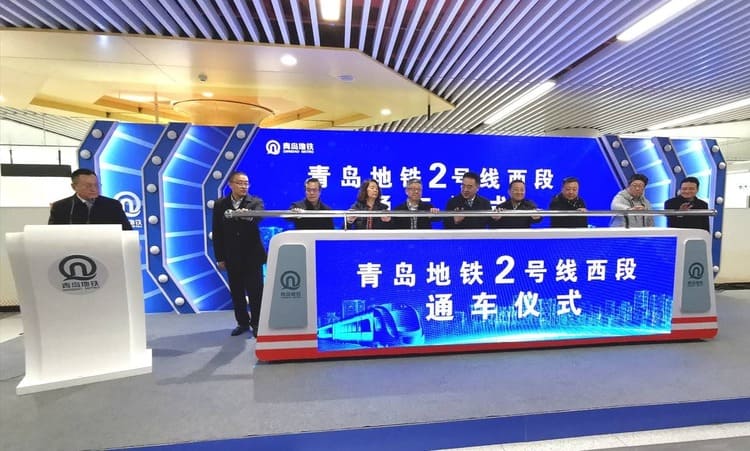
By end-2025, we had delivered comprehensive power-quality solutions for 129 urban metro lines across China—about 47.1% market share.
We combine advanced power electronics, control algorithms, and field-proven reliability to reduce electrical stress, lower maintenance friction, and protect operational continuity. Below are selected metro operators and lines where our solutions are in service.













Let's talk about your project
Contact us to discuss your loads, harmonic profile, and reliability requirements. We’ll recommend a practical active filtering approach that fits your electrical system.