
China Telecom Cloud Computing Data Center project
Hybrid Dynamic Filter Compensation for UPS-Driven Harmonic Control at Hyperscale Scale
- Project type: National-scale cloud computing data centers (two major parks)
- Primary issue: UPS-driven harmonics + power factor management in high-density critical loads
- Solution: Hybrid Dynamic Filter Compensation Device (hybrid active + passive)
Project Context:
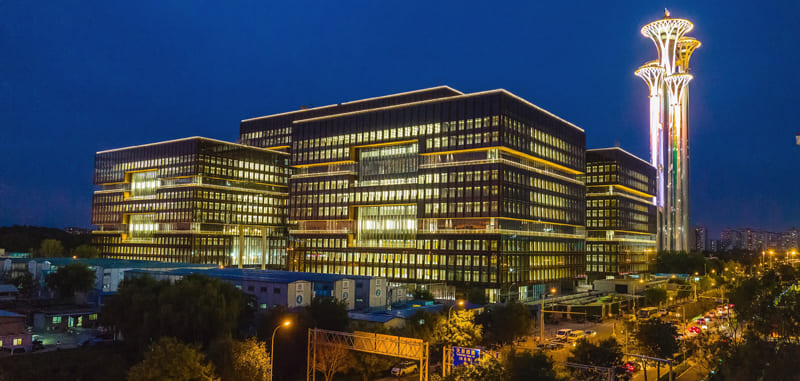
China Telecom Cloud Computing Data Center (Guizhou & Inner Mongolia) is a ~US$1.32B combined investment program designed at hyperscale: 35 data center buildings, roughly 64,000 racks, and about 1.1 million servers in total. In facilities of this size, power quality is a direct driver of uptime and asset protection—not a secondary electrical detail. The tolerance for electrical instability is extremely low because even short disturbances can trigger UPS alarms, breaker trips, unexpected IT events, or degraded operating margin.
In projects like these, the critical risk is not theoretical—it is cumulative:
-
Service continuity risk: Harmonics can cause false tripping of breakers and protection devices, creating avoidable interruptions. In a data center, even brief events can escalate into significant service impact.
-
Thermal and capacity risk: Harmonics raise losses and heat in cables and transformers, which reduces usable capacity and increases long-term stress on power distribution assets.
-
UPS reliability and lifecycle loss: Harmonics associated with UPS rectification/charging can accelerate battery wear mechanisms and shorten service life—creating direct replacement cost plus maintenance burden.
-
Operational friction: Harmonics can contribute to unexplained IT-side errors and nuisance shutdown events, adding troubleshooting cost and management risk.
These parks share a common electrical trait seen in large UPS-based data centers: UPS systems are both a protector of continuity and a major harmonic source. In this project brief, the dominant harmonic orders were identified as 5th, 7th, and 11th—a pattern consistent with rectifier-based UPS front ends.
Practically, this harmonic profile can create:
-
Heating in distribution cables and transformers, pushing the power system closer to thermal limits
-
Nuisance trips / false operations in protective devices, especially under changing load states
-
Interference risk that can manifest as unexpected IT-side shutdown behavior or unstable network performance
-
Accelerated UPS battery degradation, raising lifecycle cost and increasing maintenance frequency
What we delivered
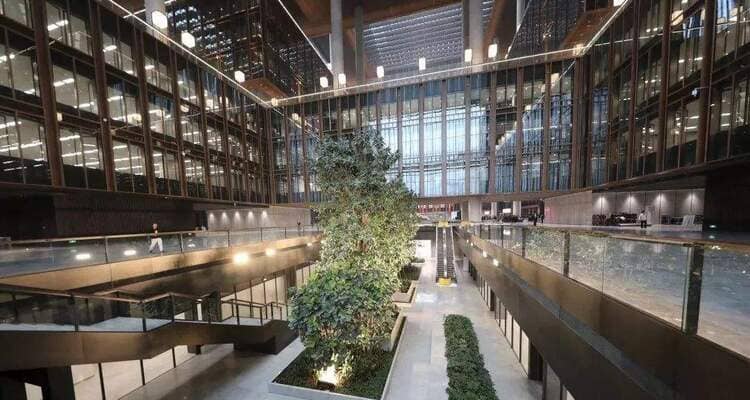
The project adopted our Hybrid Dynamic Filter Compensation Systems using LSVG cabinets. This architecture is especially practical for large, UPS-dense data centers because it combines two advantages that matter at scale:
-
Cost-effective harmonic control where the burden is high
LSVG integrates active and passive filtering/compensation in one system approach, achieving effective harmonic management without forcing the project into an all-active solution everywhere. -
Dynamic correction under real operating conditions
Data centers are not static loads—UPS behavior and load distribution shift by operating state. LSVG’s active unit provides real-time harmonic filtering capability and enhanced functionality to maintain stable power quality as conditions change. -
Engineering practicality for deployment and maintenance
The LSVG passive unit uses a modular design to support installation and maintenance efficiency, with strong ventilation and heat dissipation characteristics—important in power rooms where thermal management is a daily reality.
In one sentence: the solution was chosen to reduce UPS-driven harmonic impact, improve power factor behavior where needed, and strengthen power-system stability in a way that scales across large parks.
Results and Benefits
With LSVG deployed as part of the parks’ high-efficiency power infrastructure strategy, the operator gains a more stable electrical baseline: lower harmonic stress on distribution assets, reduced likelihood of nuisance trips and power-quality-driven incidents, improved power utilization margin, and lower routine maintenance pressure—especially around UPS systems and upstream distribution equipment. For always-on facilities, the business value is straightforward: stronger uptime confidence and more predictable operating cost as the data center load grows.
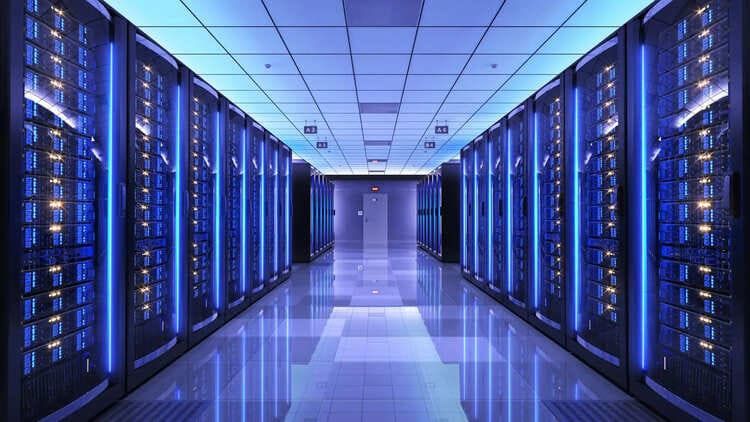
Power Quality Projects for Cloud Data Centers
Built for high-density racks, constant load shifts, and 24/7 availability.
Cloud data centers run mission-critical compute where even brief electrical disturbances can trigger alarms, derating, or expensive recovery events. Across multiple China Telecom–style facilities, we’ve delivered power quality solutions that help keep critical loads stable, reduce power-quality-driven alarms and disruptions, and protect long-term electrical health. Below is a selection of data center projects where our solutions were implemented and validated in real operating environments.
- Huawei Cloud Ulaanqab Data Center
- Huawei Guian Global Cloud Data Center
- Huawei Langfang Cloud Data Center
- Huawei Zhangye Cloud Data Center
- China Mobile Cloud Computing Center
- China Mobile (Hohhot) Data Center
- China Unicom Intelligent Cloud Data Center,
- China National Computer Network Emergency Response Technical Team / Coordination Center
- GDS Data Centers (GDS Holdings Limited)
- JD.com Data Center
- CITIC Bank Data Center
- China Transport Telecommunication & Information Center
- Alibaba (Zhangbei-Miaotan) Data Center
- China Telecom Xinjiang Cloud Data Center
- ZITrust Cloud Data Center
- Tencent Cloud Data Center
- Alibaba Cloud Data Center
- Kuaishou Data Centers
Let's talk about your project
Contact us to discuss your loads, harmonic profile, and reliability requirements. We’ll recommend a practical active filtering approach that fits your electrical system.