
China Electronics Technology Group Project
Hybrid Dynamic Filter Compensation at the main transformer busbar — total capacity 4150A
- industry: Advanced materials / crystal manufacturing
- Core issue: High-order harmonics + fluctuating distortion from heating processes and variable-speed systems
- Solution deployed: Hybrid Dynamic Filter Compensation Device, installed on the distribution room transformer busbar, total capacity 4150A
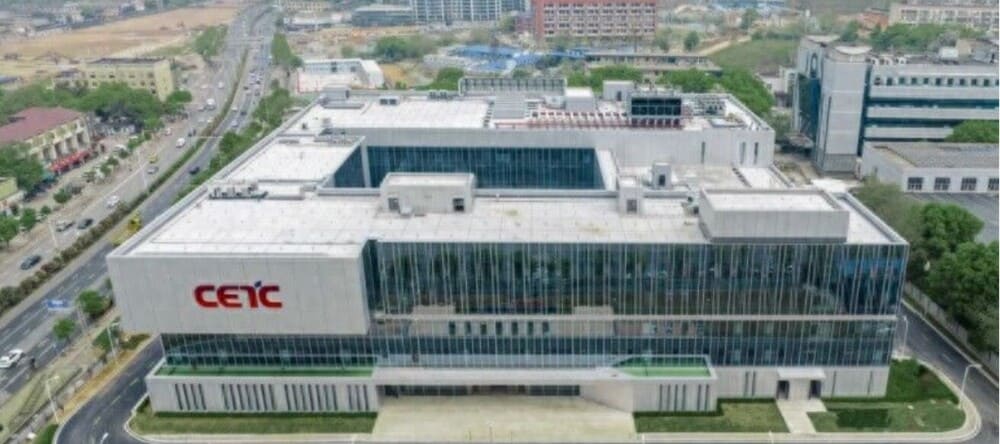
Project Context:
This project sits in a manufacturing environment dominated by high-power thermal processes and continuous auxiliary systems. The production line includes single crystal furnaces and multiple supporting furnaces (synthesis, tube sealing, purification), combined with variable-speed HVAC units and crystal processing equipment—an electrical profile that is fundamentally different from conventional factories.
The defining feature is the furnace load: many single crystal furnaces use thyristor-controlled high-frequency heating, which is energy-intensive and creates complex current waveforms. In practical terms, these loads do not draw power smoothly; they draw it in pulses, and that behavior introduces harmonic currents into the plant distribution system. In this kind of facility, power quality problems don’t remain “power quality problems.” They turn into operational losses.
What we delivered
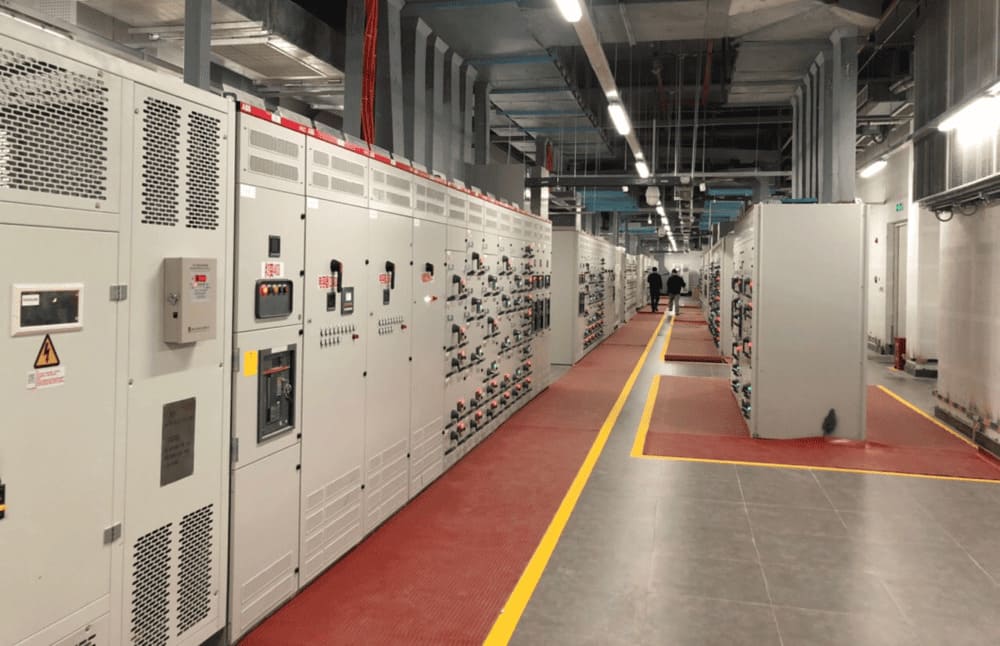
To eliminate harmonic pollution, improve the grid environment, prevent upstream harmonic injection, and protect safe operation, the project adopted our Hybrid Dynamic Filter Compensation system, installed on the transformer busbar with a total capacity of 4150A.
It is designed as a hybrid approach that integrates passive filtering/compensation with active dynamic filtering, so the site gains both scale and responsiveness:
-
High-capacity “bulk” harmonic handling: The passive section carries the heavy lifting efficiently—well suited to high-current environments dominated by furnace loads.
-
Dynamic cleanup for changing conditions: The active section addresses residual and time-varying distortion that appears as loads ramp and multiple processes overlap.
-
Practical engineering for industrial sites: Modular passive design supports installation and maintenance efficiency, while active filtering control provides stronger adaptability as the electrical environment changes through production cycles.
This is the logic behind the system choice in a project like this: it establishes a stable baseline at large capacity, then actively manages what cannot be solved efficiently with a single approach alone.
Results and Benefits
With our Hybrid Dynamic Filter Compensation Device deployed at the main transformer busbar, the facility strengthened its power-quality baseline under heavy furnace operation—reducing harmonic pollution that previously distorted voltage waveforms and contributed to false trips, instrument anomalies, and accelerated electrical wear. The practical result is a cleaner and more stable electrical environment that better protects production continuity, reduces routine maintenance pressure, and lowers the risk that the plant’s harmonic currents propagate into upstream systems.
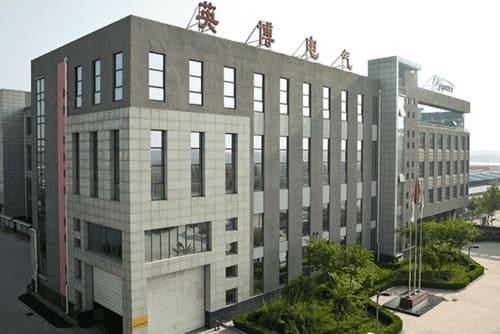
Yout Trusted Power Quality Solutions Provider from China
Enhancing Your Efficiency with Industry-Leading Power Quality Solutions
When power quality is critical, customers look for more than a product—they look for a partner who’s done it many times before. In-Power Electric is one of China’s top three power quality solution providers, with 320+ IP rights (including 90+ invention patents and 50+ software copyrights) and participation in 50+ power quality standards. Our solutions have been deployed across industrial, commercial, infrastructure, and mission-critical environments, working alongside global brands, we help complex facilities achieve stable, compliant, and efficient power systems.

Intel Dalian's Non-Volatile Memory (NVM) ProjectPhase I Expansion

BOE Mianyang G6 AMOLED (Flexible) Production Line Project

Truly (Renshou)'s G5 TFT-LCD High-End Display Production Line Project

Xiamen Hithium Energy Storage Technology Co., Ltd

Huarui Optoelectronics LCD Panel Production Line Project

Canadian Solar (Yangzhou) Manufacturing Base
Shuangliang Silicon Materials (Baotou) Co., Ltd
Tongwei Solar Energy (Anhui) Co., Ltd
JA Solar Baotou Manufacturing Base Project

Tongren Hanergy Mobile Energy Manufacturing Base

Xinte Energy Xinjiang Polysilicon Manufacturing Base

YMTC 3D NAND Chip Manufacturing Base

CETC Monocrystalline silicon manufacturing base

China Resources Snow Beer Nanjing Manufacturing Plant Project

WUDELI Flour Mill Group Co., Ltd
Inner Mongolia Yijiahao Cheese Co., Ltd

CNPC Jichai POWER Company Limited

CNPC Soralchin Adrar Refinery
Let's talk about your project
Contact us to discuss your loads, harmonic profile, and reliability requirements. We’ll recommend a practical active filtering approach that fits your electrical system.