
Xi’an Metro Line 6 Project
Power Quality Stabilization on low-voltage distribution for the city’s subway system
- Urban rail / metro
- Line scale: 39.6 km, 32 underground stations
- Rolling stock: 6-car B-type trains
- Solution deployed: 10000+A Low-Voltage Active Filter System
Project Context:
Subway power supplies operate under exceptionally strict reliability expectations.
Modern metro systems are high-intensity electrical environments, frequent starts/stops, repeated load transitions, and constantly shifting station auxiliary loads create fast-changing electrical conditions—while the operator has very little tolerance for instability. Once the power system becomes unstable, the cost isn’t only energy waste—it can be service disruption, passenger impact, and increased safety exposure.
Xi’an Metro Line 6 spans 39.6 km and is planned to operate 6-car B-type trains, serving 32 underground stations. In metro systems of this scale, power quality isn’t just an electrical metric—it becomes a driver of operational stability, safety margin, and lifecycle cost.
Power-quality risks observed on Line 6
This project reflected a classic rail-transit power-quality pattern:
-
High current distortion: Current THD exceeding 20%, dominated by 5th, 7th, 11th, and 13th harmonics—conditions known to increase stress and losses in distribution assets.
-
Peak-hour volatility: Rapid and significant load-current fluctuations during peak operation, increasing the risk of disturbances showing up as alarms, trips, or operational friction.
-
Day/night reactive swing: Power factor typically above 0.9 during peak periods, dropping to ~0.7 during nighttime downtime, with reactive power feeding back into the system under capacitive conditions.
These conditions are particularly critical in rail transit because they can directly threaten operational safety, system stability, and maintenance workload.
Our Solutions:
What We Delivered: Low-Voltage Active Filter System
For Xi’an Metro Line 6, the goal was straightforward: keep power quality predictable across the full operating cycle—not only when trains are running, but also when the system shifts overnight.
We deployed the low-voltage active filter system as an integrated solution that addresses the project’s two core pain points (harmonics + reactive behavior changes) in a practical, operations-first way:
-
Active harmonic filtering during service peaks: Reduces harmonic content dominated by low-order harmonics, helping lower stress on the low-voltage distribution system during the busiest operating periods.
-
Bidirectional, continuous reactive power support overnight: When the network becomes capacitive during downtime, LSVG can generate inductive reactive power to counter the capacitive condition—reducing reactive power backfeed and supporting healthier power factor behavior.
-
Stable performance under rapid load changes: Designed for rail environments where load current fluctuates quickly, helping maintain steadier power-quality behavior as operating conditions shift.
-
Operator-focused outcomes: Built to reduce routine maintenance friction and strengthen the reliability margin in a system where continuity and safety expectations are high.
Results and Benefits
By improving power-quality stability through both peak periods and nighttime downtime, the solution supported safer metro operation and a stronger reliability margin for daily service. With harmonic impact reduced and reactive behavior stabilized, the system helps lower avoidable stress on key electrical assets, reduce routine maintenance friction, and conserve energy by limiting loss mechanisms that typically rise with distortion and reactive backfeed.
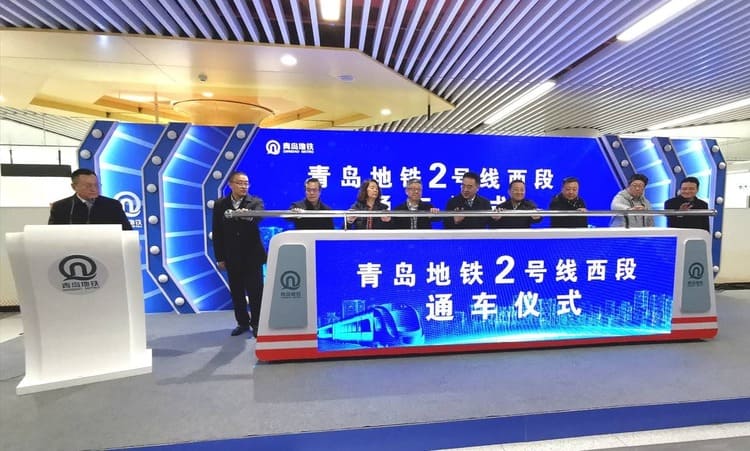
Trusted by Metro Operators
By end-2025, we had delivered comprehensive power-quality solutions for 129 urban metro lines across China—about 47.1% market share.
We combine advanced power electronics, control algorithms, and field-proven reliability to reduce electrical stress, lower maintenance friction, and protect operational continuity. Below are selected metro operators and lines where our solutions are in service.

















Let's talk about your project
Contact us to discuss your loads, harmonic profile, and reliability requirements. We’ll recommend a practical active filtering approach that fits your electrical system.