
Xi’an Metro Line 9 Phase I
Power Quality Stabilization on 0.4 kV Low-Voltage Distribution for the city’s subway system
A subway rail-transit–specific solution that reduced harmonic impact and stabilized reactive power behavior across peak traction cycles and nighttime idle periods—supporting safer, more predictable metro operation.
Project Context:
Operating Intensity That Shapes Power Quality
Xi’an Metro Line 9 is a high-utilization urban rail line running 6-car B-type trains with a top operating speed of 80 km/h. The line has 15 stations (mostly underground) and is planned for 29 trainsets, with a designed maximum daily passenger capacity of 140,000 trips.
In a subway system, unstable power quality isn’t a minor engineering issue—it can become a service reliability and safety risk. Frequent starts and stops, repeated acceleration and braking cycles, and constantly shifting auxiliary loads create fast-changing electrical conditions—while the operator has very little tolerance for instability. Once the power system becomes unstable, the cost isn’t only energy waste—it can be service disruption, passenger impact, and safety exposure.
Power-quality risks observed on Line 9
- Elevated harmonic distortion: Voltage distortion (THDv > 5%) and current distortion (THDi > 20%), dominated by 5th, 7th, 11th, and 13th harmonics—contributing to increased thermal and electrical stress on transformers, cables, and low-voltage distribution equipment.
- Unstable current behavior during peak service: Rapid and repeated load-current changes increased the risk of unexpected alarms, protection trips, and momentary system instability during busy operating periods.
- Pronounced day/night power factor swing: Power factor typically above 0.9 during peak periods, dropping to around 0.7 overnight, reflecting a significant shift in reactive power demand across the operating cycle.
- Capacitive behavior and reactive backfeed risk at night: During downtime, the network tended capacitive, creating the risk of reactive power flowing back into the system, which can undermine stability and complicate long-term operation.
- Operational impact: Taken together, these conditions reduced the system’s reliability margin and increased routine maintenance effort in an environment with strict uptime requirements.
Our Solutions:
A Solution Built Around the Metro Operating Cycle
For a metro operator, the real problem isn’t “harmonics” in isolation—it’s what those harmonics and reactive swings do to uptime, maintenance workload, and operational stability. In this Line 9 application, the site saw high distortion and rapid current changes during busy service periods, then a very different challenge overnight when the system leaned capacitive and power factor dropped. We delivered a Low-Voltage Active Harmonic Filter solution that was tuned to the metro’s day/night operating rhythm—so power quality stays predictable instead of changing with the schedule.
-
Harmonic mitigation where it mattered most: The AHF targets the dominant harmonic orders present in rail systems and actively cancels distortion current, reducing harmonic stress on transformers and feeders during peak operation.
-
Stable performance during rapid load changes: Because the load current shifts quickly in service hours, the system continuously tracks changing distortion levels and injects compensation current in real time to prevent “spikes” from becoming recurring events.
-
Overnight reactive backfeed control: When the network trends capacitive during downtime, the system provides bidirectional reactive power support—producing inductive VARs to offset capacitive demand and reduce backfeed risk.
-
Site-fit implementation: Flexible CT installation and adjustable priority between harmonic filtering and reactive support allow the solution to match real wiring constraints and operating priorities on site.
In our experience, this “operating-cycle-aware” approach is what makes rail projects work—because the dominant risks aren’t the same at 2 p.m. and 2 a.m.
Results and Benefits
After Xi’an Metro Line 9 entered official service on December 28, 2020, the strengthened power-quality stability helped protect service continuity in a high-demand rail environment where disruptions carry outsized consequences. With fewer power-quality-driven disturbances and a more stable electrical foundation across operating cycles, the operator benefits from steadier operations, lower operational friction, and stronger confidence in meeting performance expectations for passengers and stakeholders.
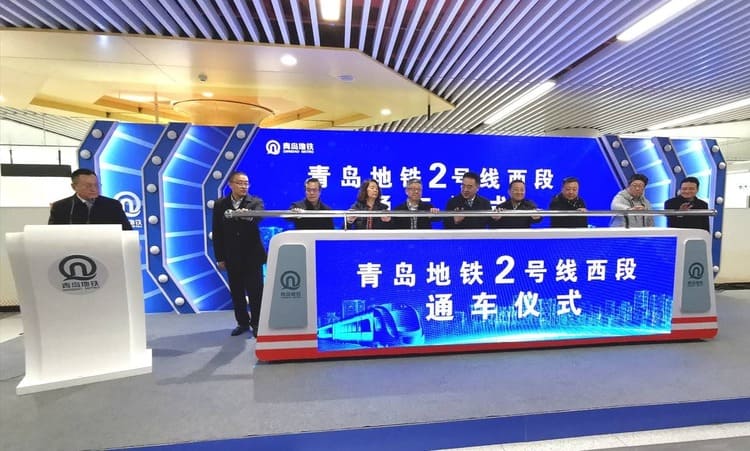
Trusted by Metro Operators
By end-2025, we had delivered comprehensive power-quality solutions for 129 urban metro lines across China—about 47.1% market share.
We combine advanced power electronics, control algorithms, and field-proven reliability to reduce electrical stress, lower maintenance friction, and protect operational continuity. Below are selected metro operators and lines where our solutions are in service.















Let’s Fix the Root Cause—Not Just the Symptoms
Let's talk about your project
Contact us today to talk about how we can help your business improve energy efficiency and reduce your energy cost.